Thr Symbole of camel

The Camel in Stone — Voices on the volcanic Fields of Al‑Harrah
Across the black expanse of volcanic rock that carpets Al‑Harrah in northeastern Jordan, the sun etches its slow, impartial light. Up close, this basalt sea is not mute: grooves and hollows catch the light, and tiny constellations of chips and pecks form outlines that have endured for generations. Among those ancient scratches, the camel rises again and again — a patient, weathered silhouette that seems to breathe the great silence into meaning.
The carved camel is not merely an image; it is a statement. On the cold, hard skin of the lava, someone once struck rhythmically with stone or metal to render the animal’s long neck, its hump, the slender legs that carried lives across shifting sands. The technique is simple — pecking and abrading the rock — but the result is stubbornly eloquent: a motif repeated, varied, and reinterpreted by different hands across time until the field itself becomes a ledge of stories.
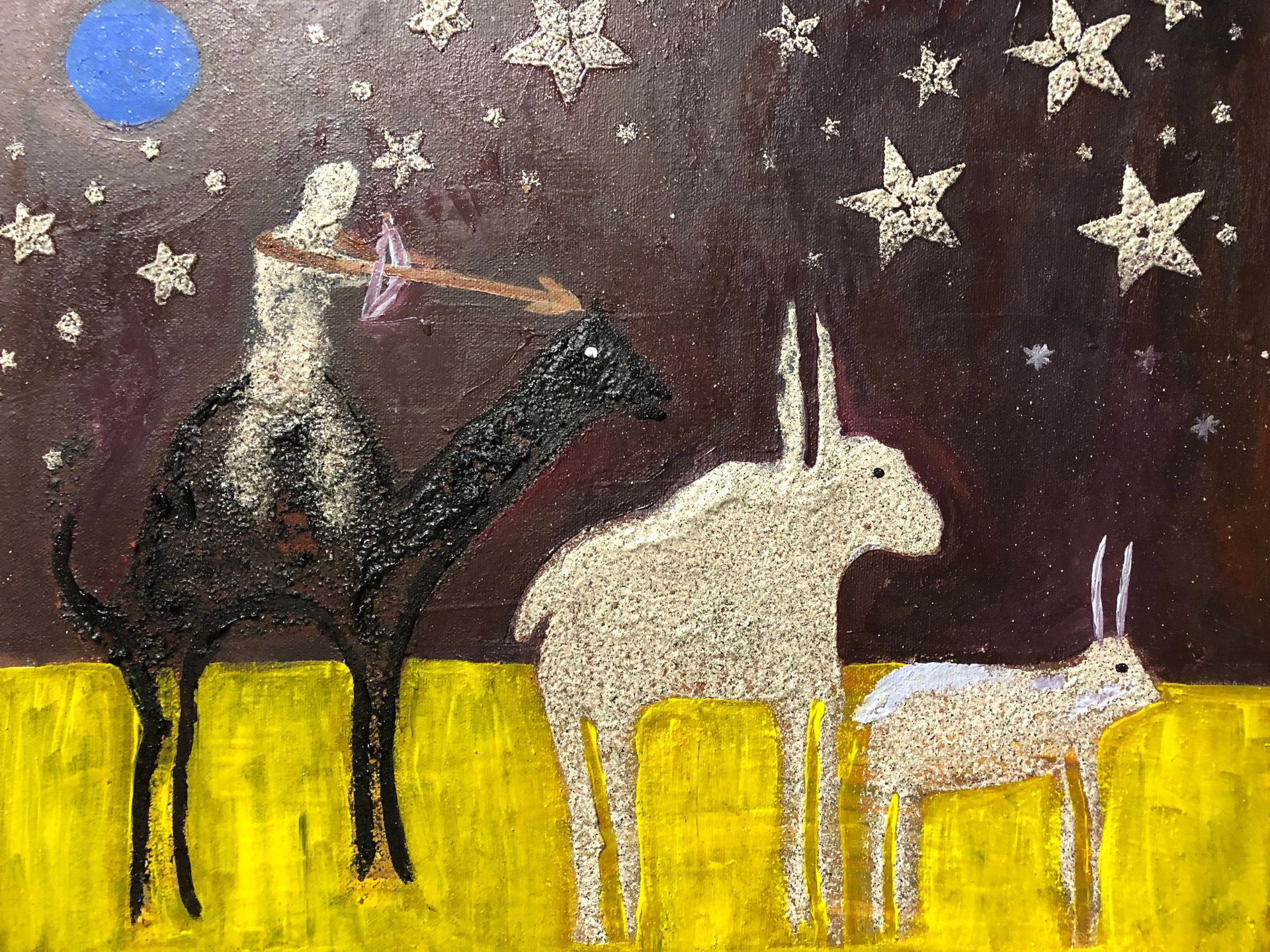
Why camels? Because they are a language everyone along these routes understood. For the communities who crossed these lands, the camel was livelihood and landscape: transport for people and goods, a walking store of water and fat, a companion of lonely desert nights. To mark a stone with a camel was to speak of journeys taken and planned, of trade caravans that threaded the region, of seasonal migrations, and of household economies that depended on the animal’s endurance. Each carving is both a record and a prayer — a wish for safe passage, a memorial to a successful crossing, or a simple assertion of presence in a vast, mutable place.
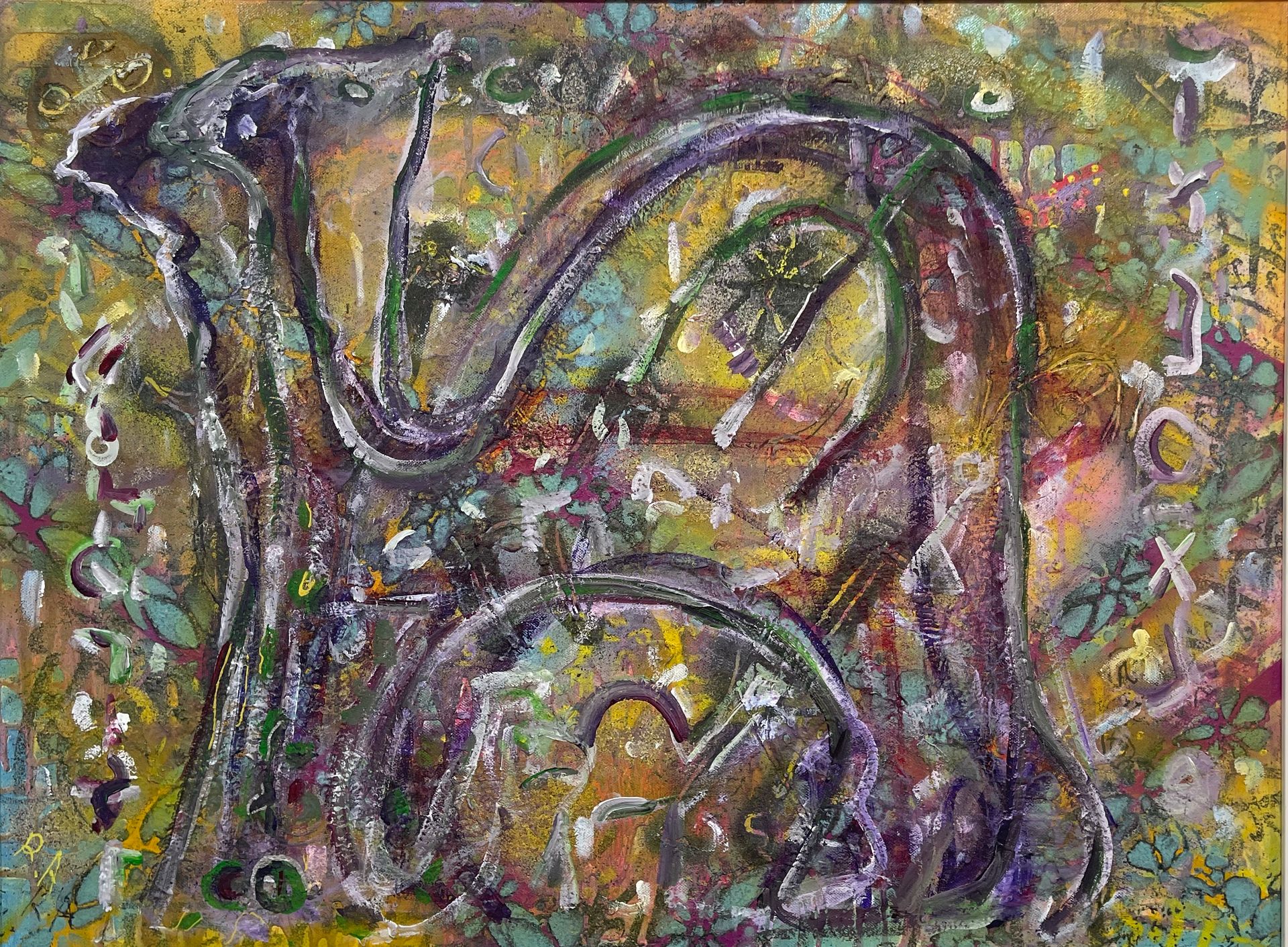
There is also an artistry to the repetition. Not every camel is the same. Some are rendered with graceful economy — two arcs and a neck that declare the animal with a single confident gesture. Others are dense with detail, populated by riders, packs, or abstract marks that could be counting systems, clan symbols, or designs whose meaning has been lost to time. The variety hints at the many voices that left marks here: traders, herders, nomads, pilgrims, and perhaps children practicing the ancient craft of recording what matters.
These engravings speak in a texture that modern inks cannot mimic. Basalt resists weathering; its blackness holds the scars. Where wind and sand polish the stone, the carvings catch and throw back light, making the figures appear sometimes faint, sometimes startlingly fresh. This endurance makes the carvings a peculiar kind of archive: they do not tell dates plainly, but they testify to continuity — a human need to be seen and to mark the route of life on a stubborn surface.
Reading these stones invites imagination and humility. Archaeologists and local historians piece together clues — placement, style, and associated finds — to suggest varying purposes across time. But there is always a margin of mystery: who counted the humps, who drew the rider, who repeated the motif in a way that echoed centuries later? The answer is braided into the landscape itself, where the memory of ancient Arabia and the contemporary across meet.
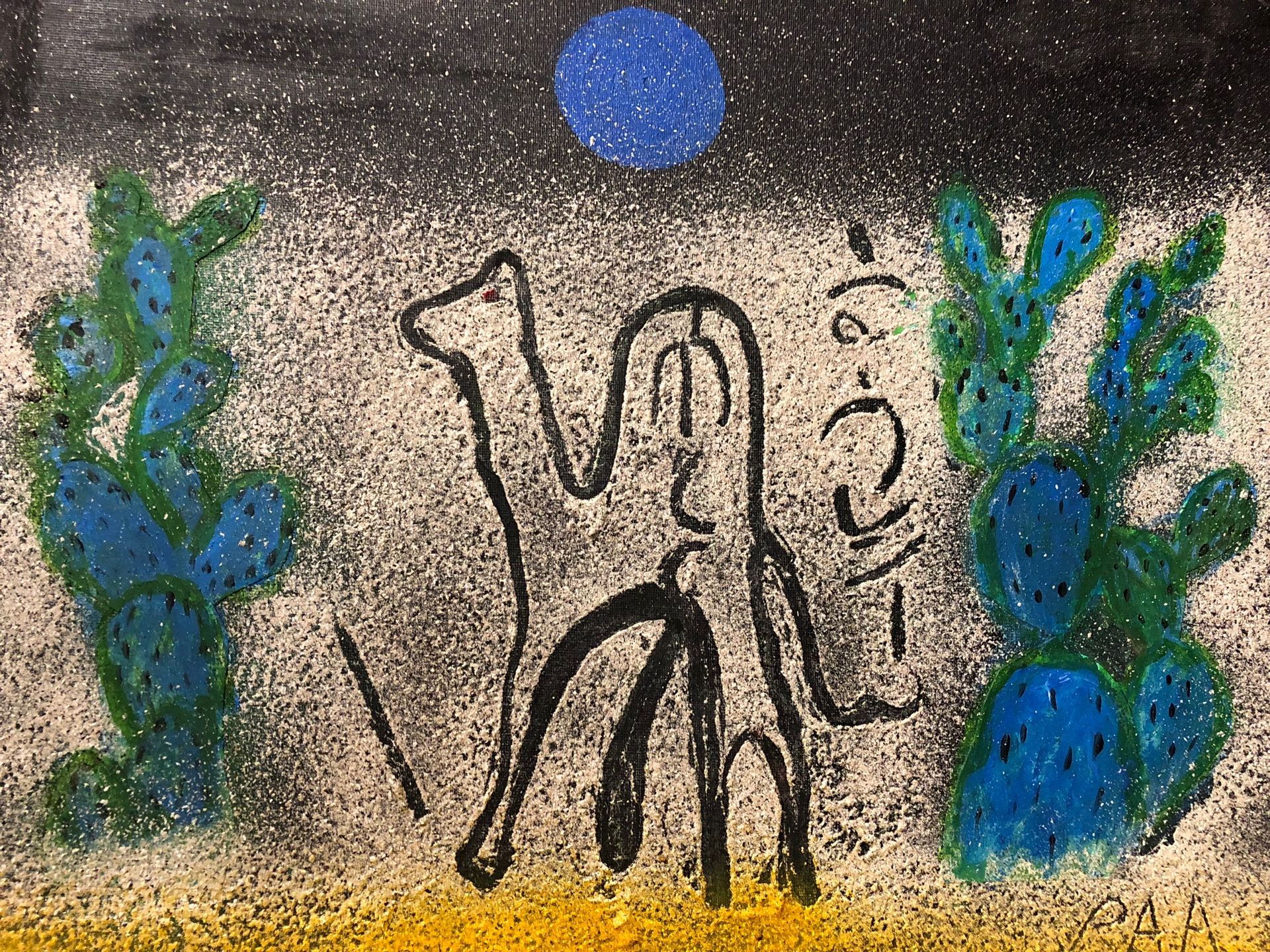
Today, the camel figures are a bridge between epochs. For modern visitors and for descendants of the ancient Arab peoples who first walked these routes, they are a mirror — a way to recognize the endurance of cultural memory. For scholars, they are fragments of social history. For artists and poets, they are raw language: simple lines that speak of movement, survival, and the stubborn human impulse to leave proof that we were here.
The volcanic field keeps its secrets, revealed slowly by the people who still live there, but not without hospitality. If you stand long enough in the right light, the silhouettes begin to animate: a caravan lifting off the stone, a distant mirage crystallized in hard rock, the long arc of a life carried forward by a creature shaped for endurance. The camel, engraved into the bones of the land, teaches a modest lesson: permanence is not only about surviving the elements but about being remembered well enough to be carved into our hearts.